
2.6×
Total phytonutrients
Highest regenerative variety vs store-bought average (µg/100 g).
Save 5% on every order + 2 Free Items + $25 Cash Back
INTRODUCING
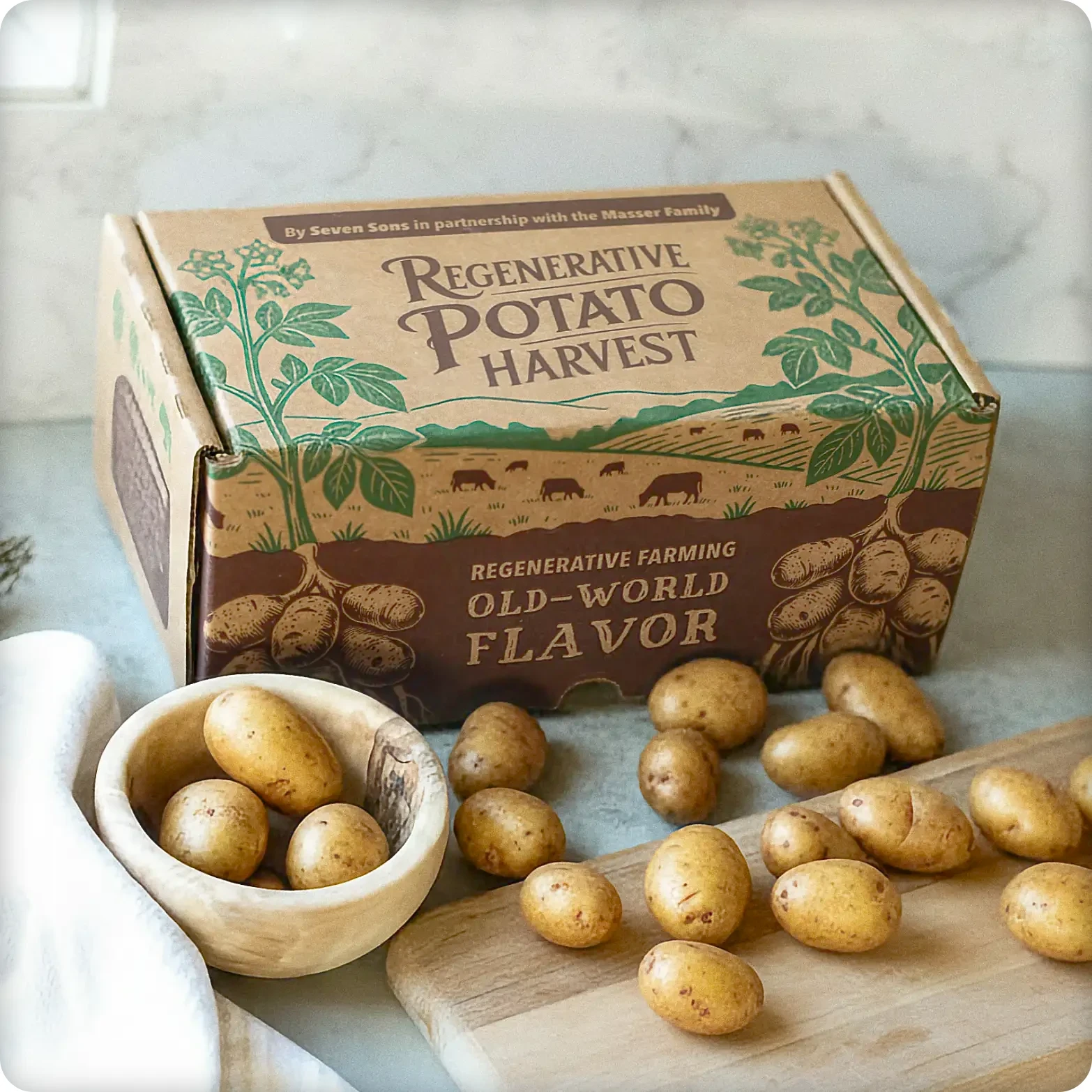
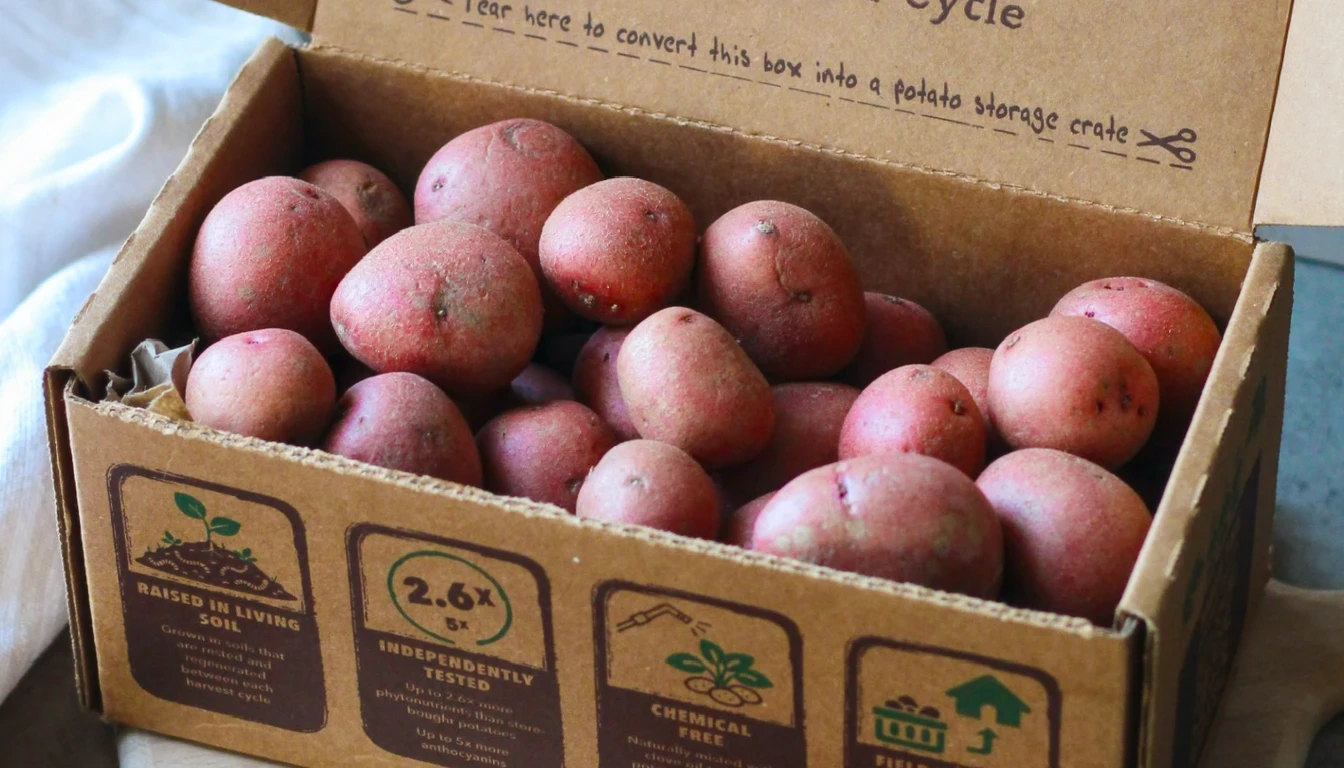
5 Lbs avg. Per Box
$35.00
THE PROBLEM
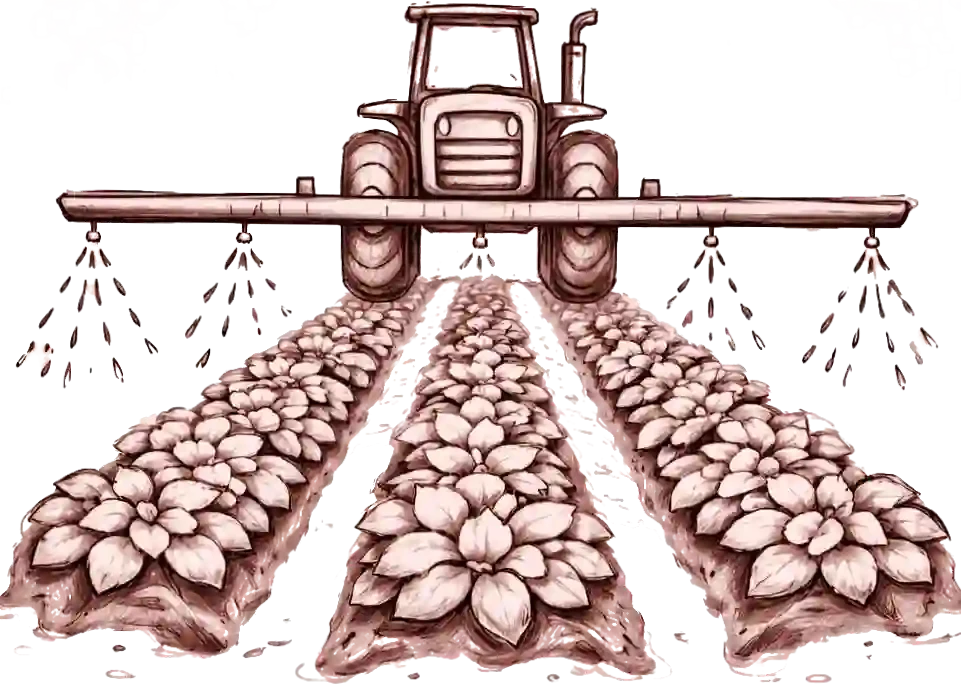
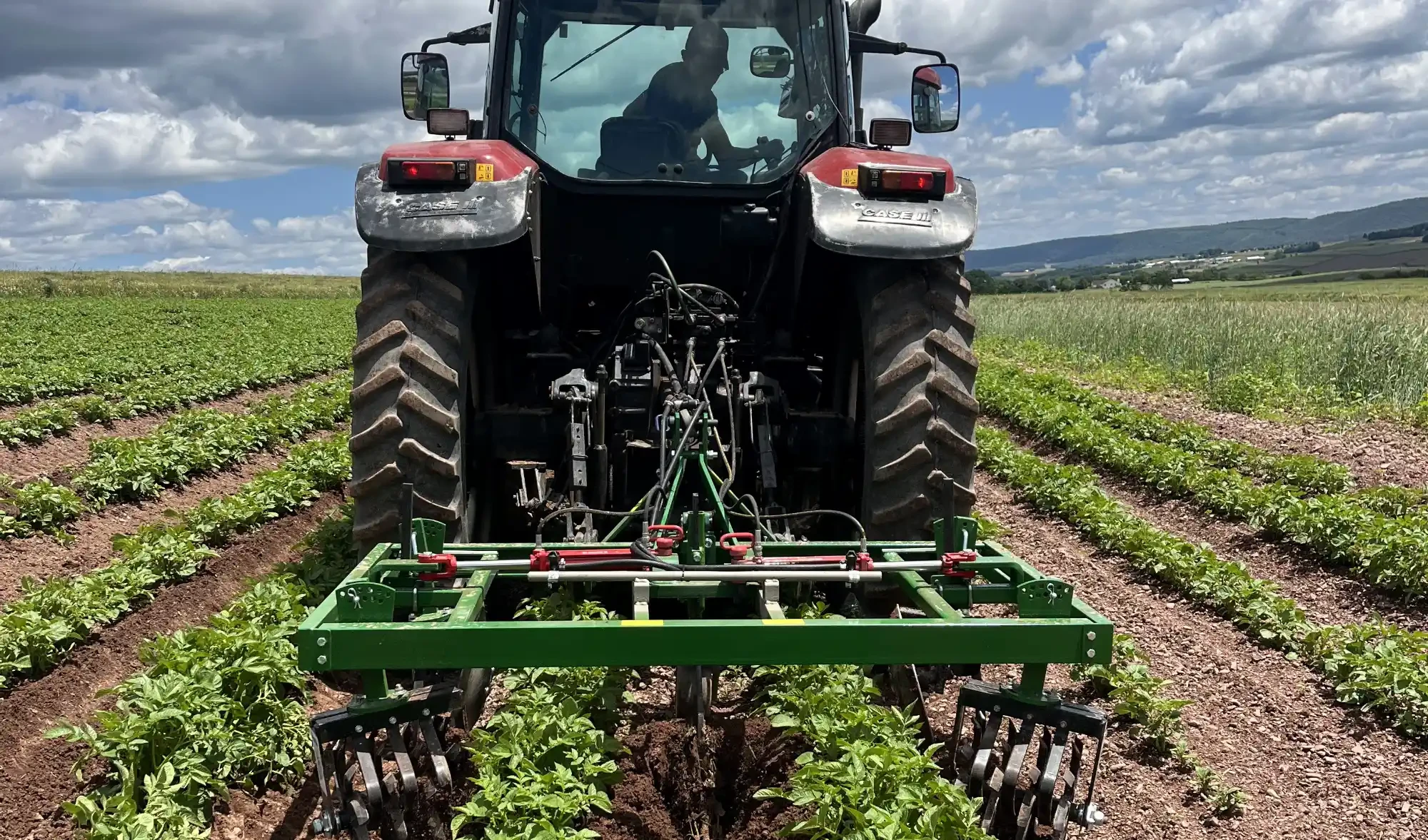
Conventional potato production often depends on intensive chemical programs and soil-disturbing practices most shoppers never see.
Due to soil degradation, conventional potatoes are highly disease-prone, making them one of the most chemically treated vegetables.¹²³ 1 2 3
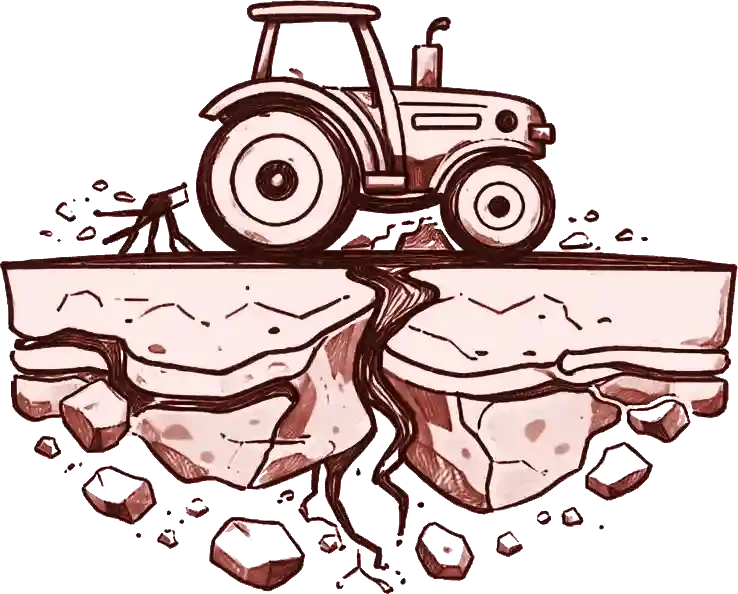
Conventional potato fields are repeatedly tilled and flipped at harvest, breaking down soil structure and microbial life year after year.
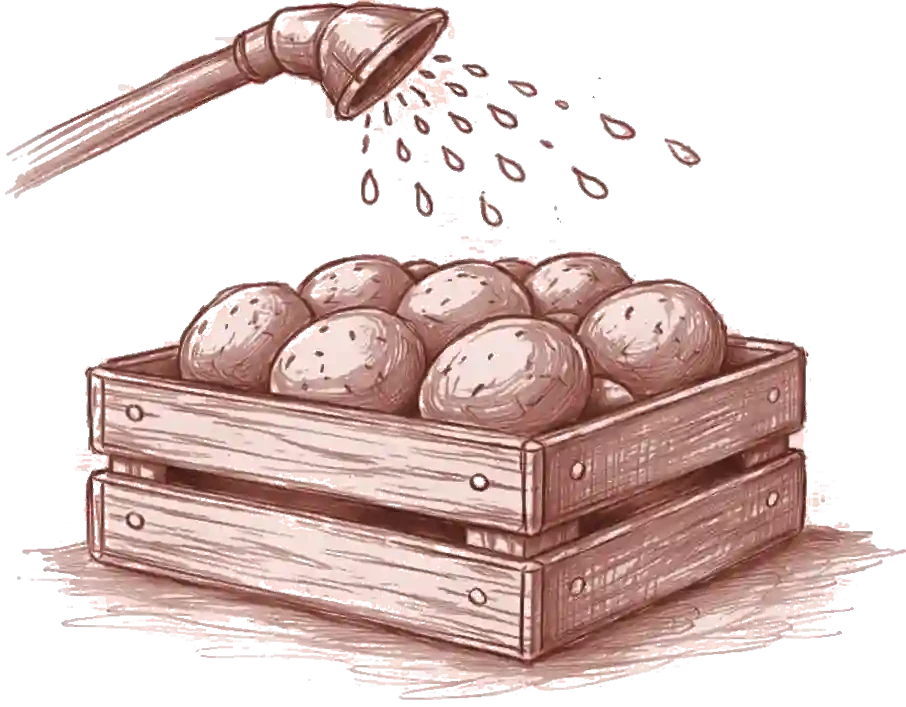
Conventional potatoes aren’t just sprayed in the field, most are treated again after harvest with chemical sprout inhibitors. 4 5 6
1. USDA National Agricultural Statistics Service (NASS). Agricultural Chemical Use Program: Potatoes (2019 Summary).
https://www.nass.usda.gov/Surveys/Guide_to_NASS_Surveys/Chemical_Use/
2. Michigan State University Extension. “Late Blight Control on Potatoes.”
https://www.canr.msu.edu/resources/late-blight-control-on-potatoes
3. University of Idaho Extension. “Potato Late Blight Management Guide.”
https://www.extension.uidaho.edu/
4. U.S. Environmental Protection Agency (EPA). Chlorpropham (CIPC) – Registration Review and Tolerance Revocation (2020–2022).
https://www.epa.gov/ingredients-used-pesticide-products/chlorpropham
5. European Commission. Commission Implementing Regulation (EU) 2019/989. Official Journal of the European Union, 2019.
6. University of Idaho Extension. “Potato Storage and Sprout Control.” Describes commercial sprout inhibitor practices in stored potatoes.
THE SOLUTION
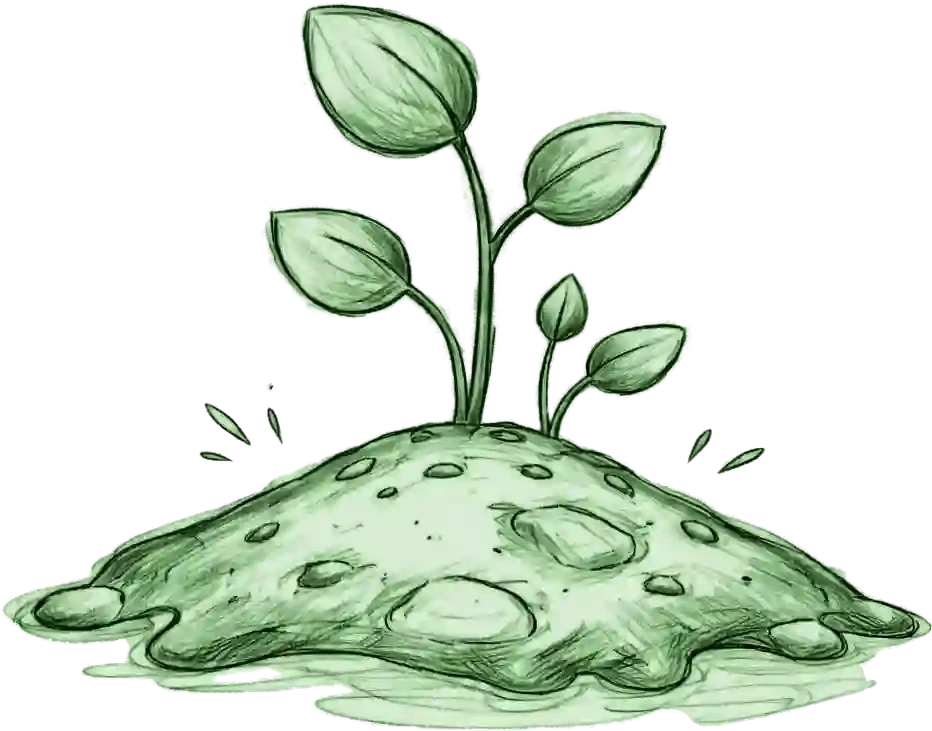
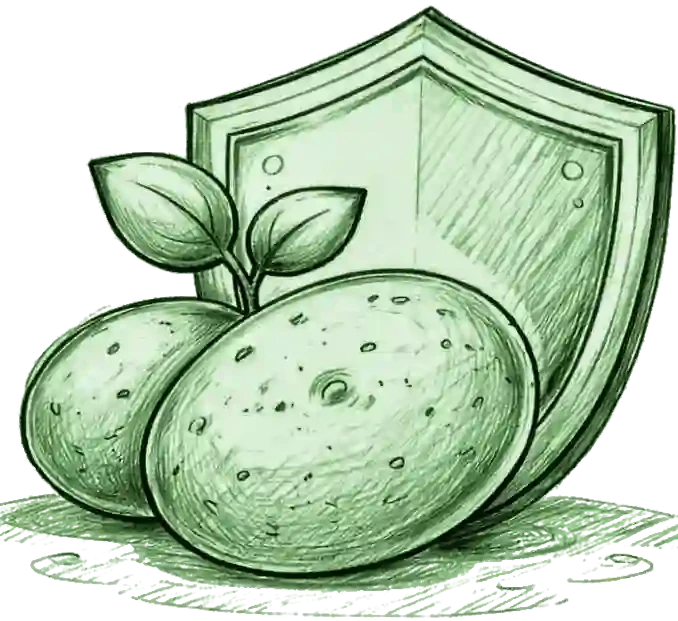
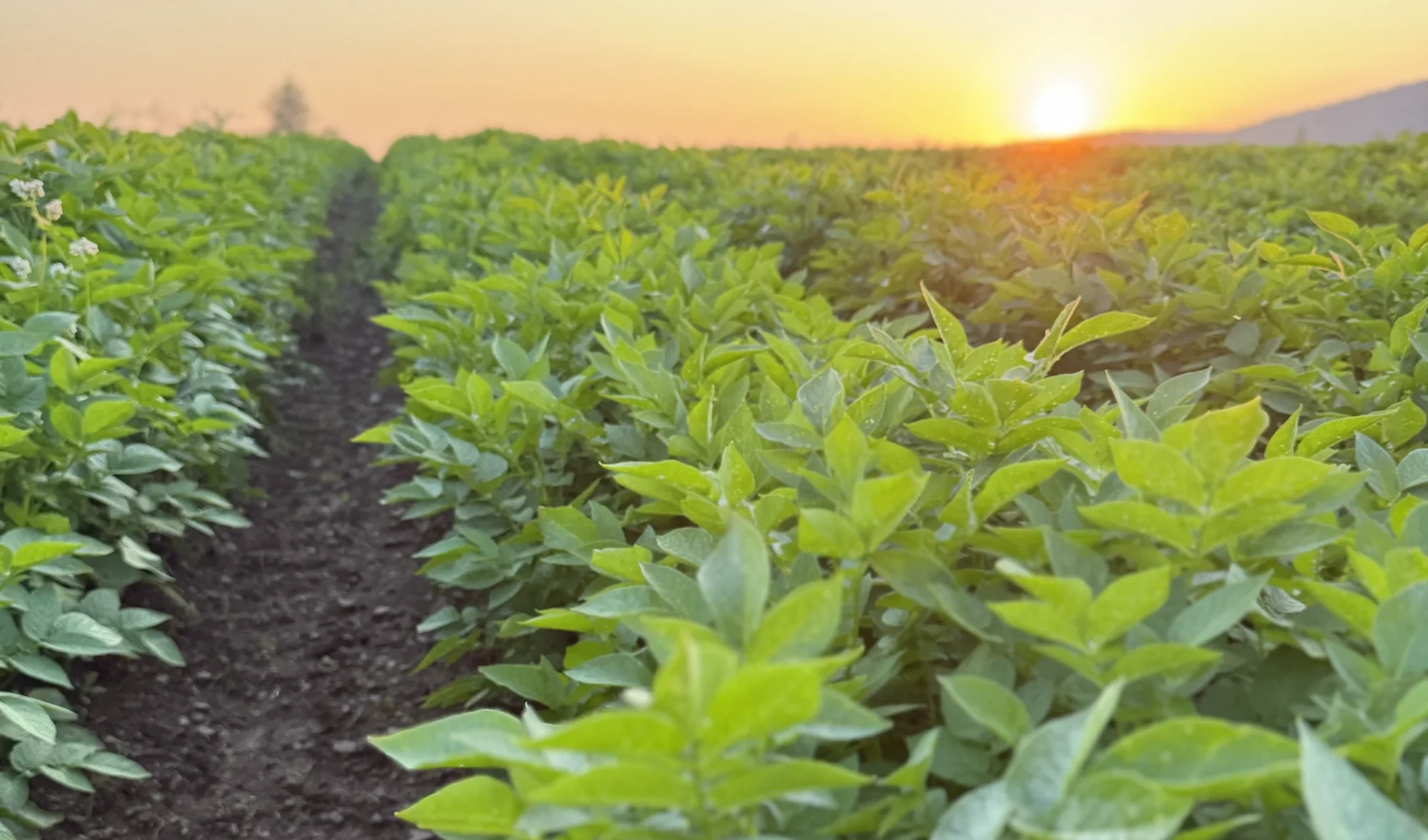
Grown without synthetic fungicides or conventional spraying. Just resilient plants supported by biologically rich soil.
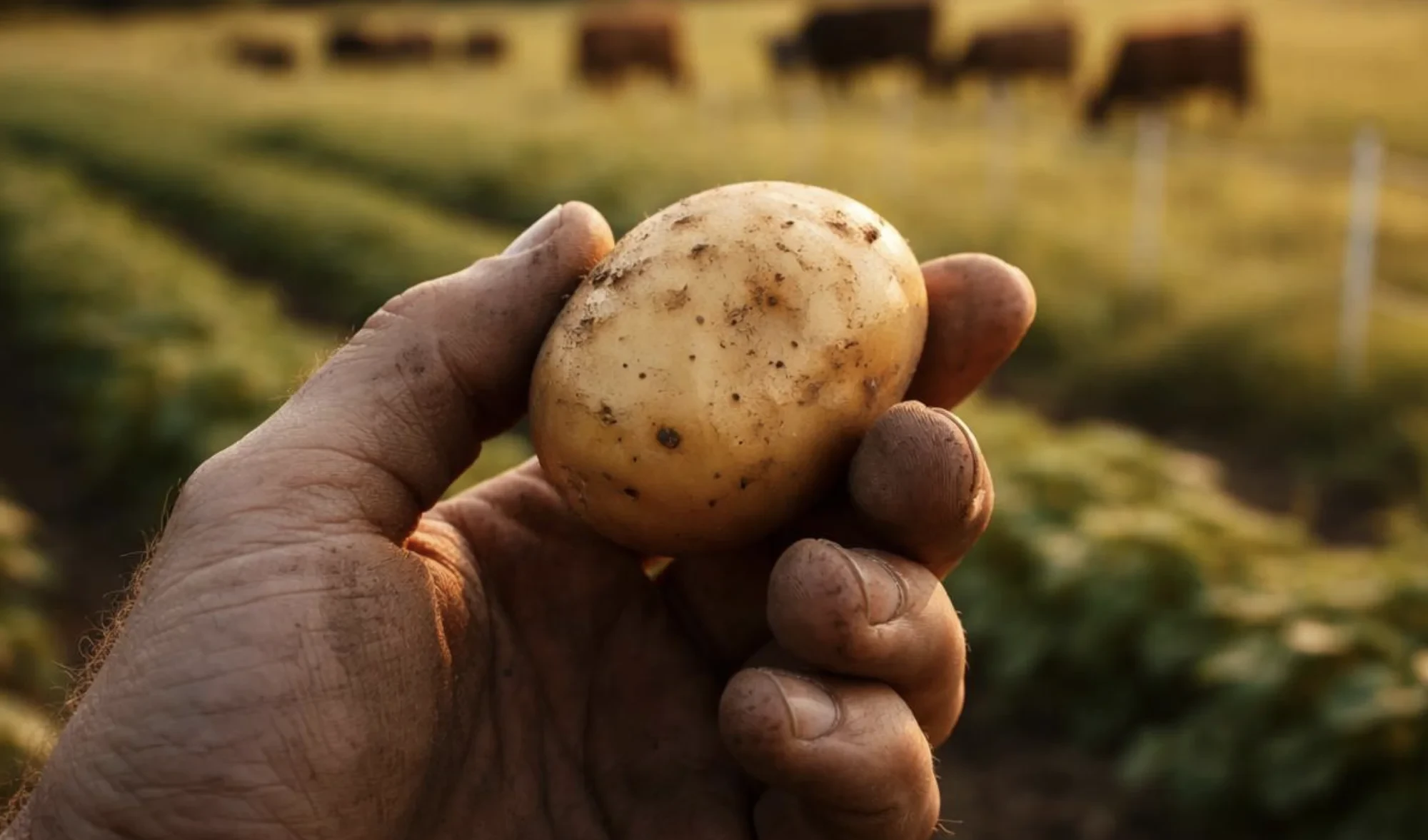
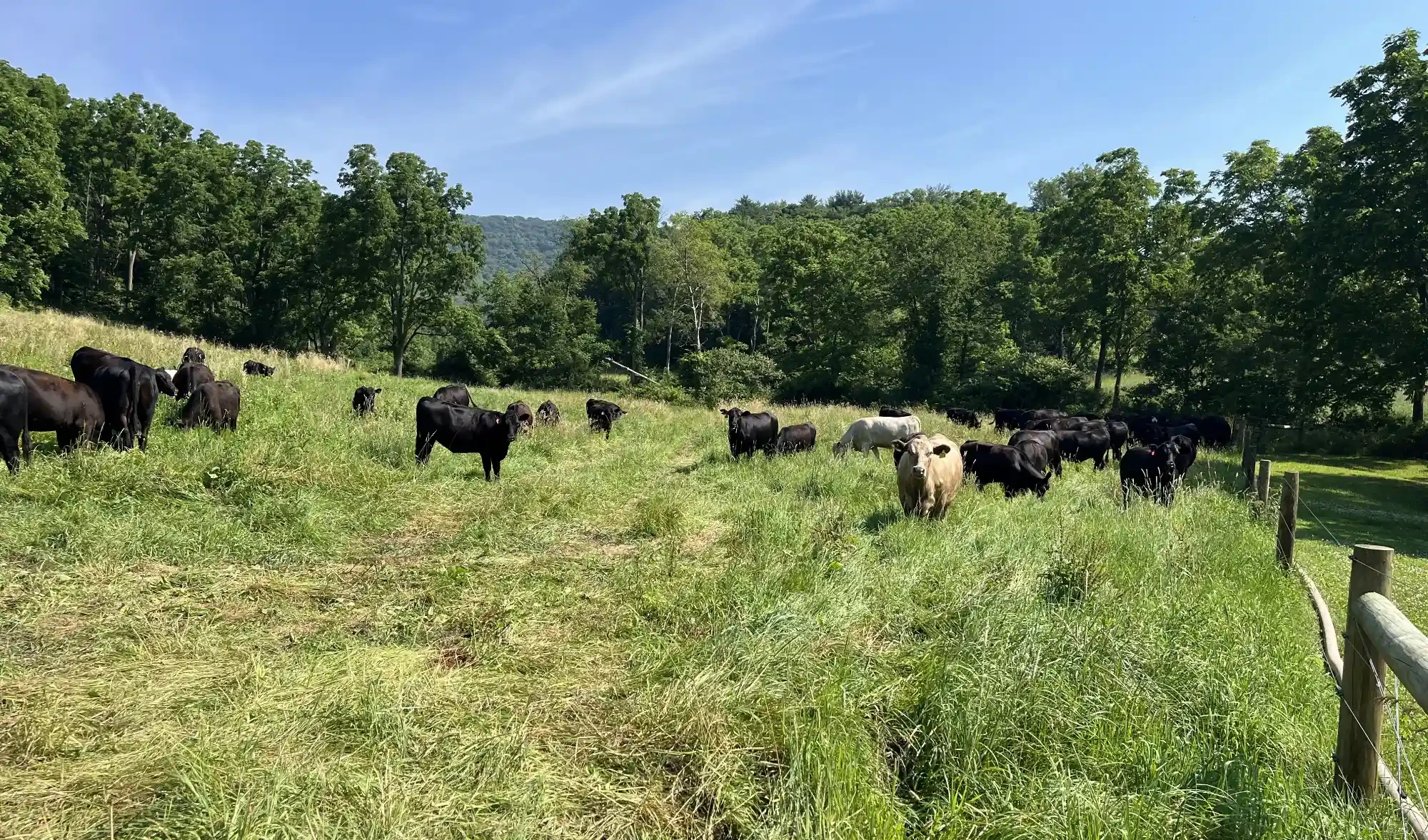
Our potato ground rests for 3–4 years between harvests, rebuilding structure, biology, and fertility. During that time, cattle graze the fields— naturally accelerating organic matter and soil regeneration.
Stored without chemical sprout suppressants—only a light misting of natural clove oil to keep potatoes fresh.
SCIENCE-BACKED
Independently tested across multiple potato varieties using LC/MS–MS at the Center for Human Nutrition Studies.
Note: Results vary by variety (that’s expected). We’re highlighting the clearest, most meaningful signal: phytonutrients.
2.6×
Total phytonutrients
Highest regenerative variety vs store-bought average (µg/100 g).
Up to 5×
Anthocyanins
Naturally occurring pigments linked to antioxidant and anti-inflammatory activity.
Multiple
Varieties above average
Several regenerative varieties exceeded grocery store averages in key phytonutrient classes.
Phytonutrients are bioactive compounds plants produce to protect themselves from stress, pests, and disease. These same compounds are increasingly studied for their role in antioxidant activity, inflammation balance, and metabolic signaling in humans. When soil biology improves, plants often invest more energy into these protective compounds—something conventional nutrition labels rarely show.
Minerals and macronutrients (like potassium, carbs, and calories) were broadly similar between regenerative and store-bought potatoes. That’s normal. Mineral content is heavily influenced by soil type and fertilization—not farming philosophy alone. Phytonutrients, however, are plant-produced compounds that respond strongly to soil biology, stress resilience, and regenerative growing systems. We’re sharing this because transparency matters.
Plant color is a clue. Deeper color often signals higher phytonutrient density—especially in purple varieties where anthocyanins drive the pigment.
View the full Utah State University lab report. All results shown above are summarized from independent laboratory testing.
THE FLAVOR CHAPTER
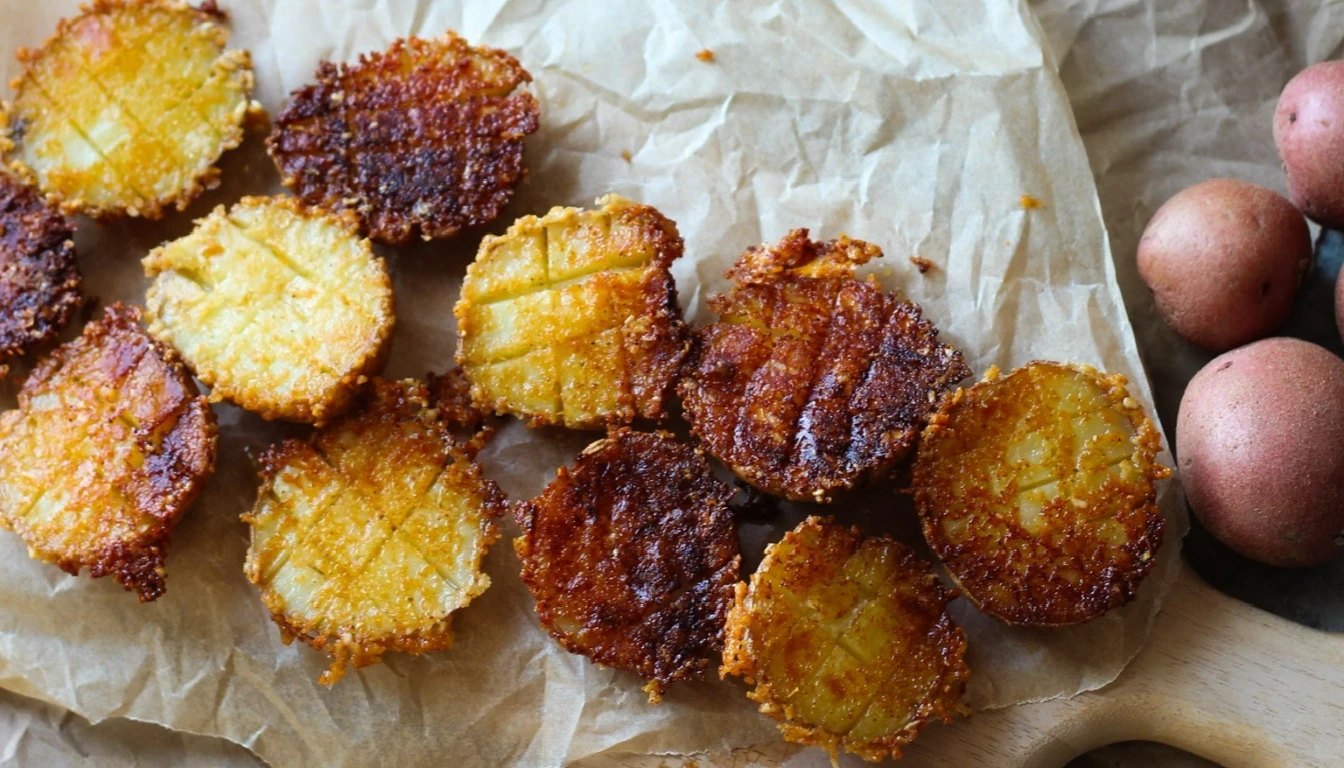
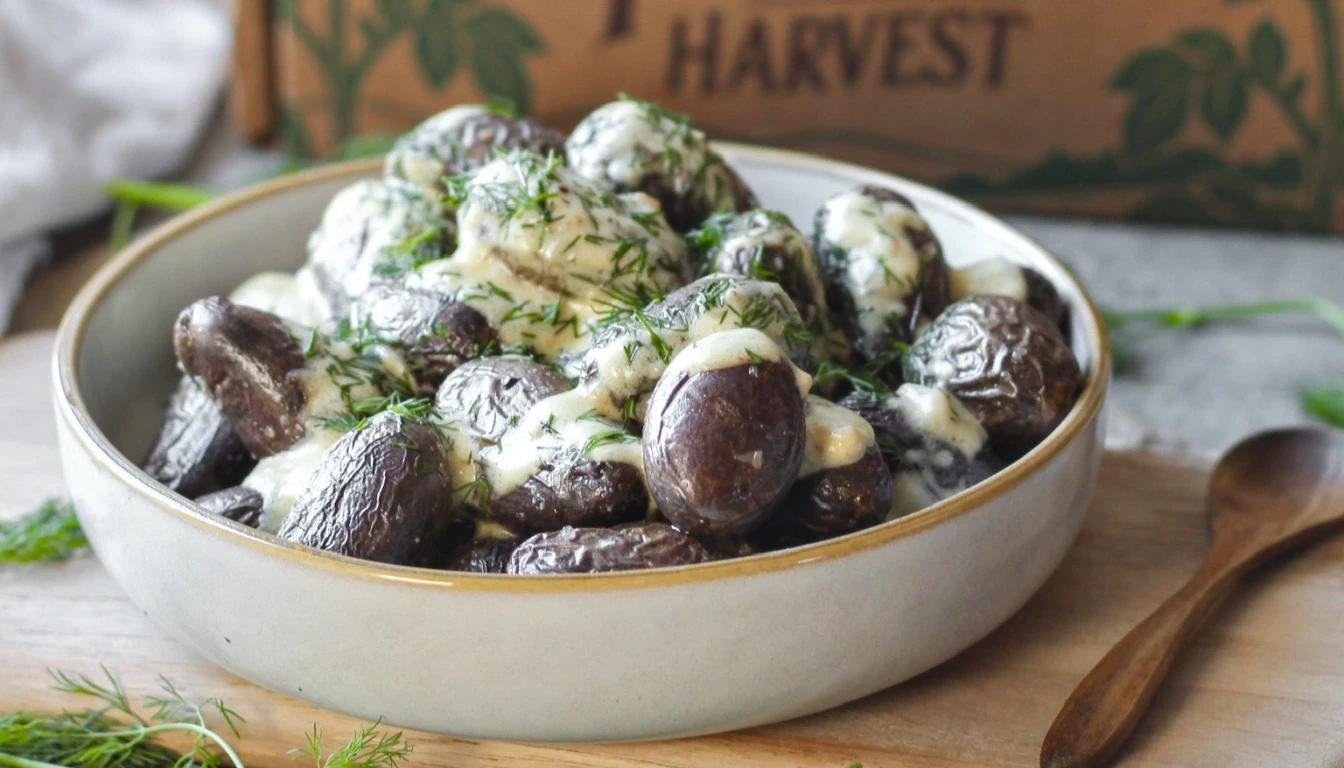
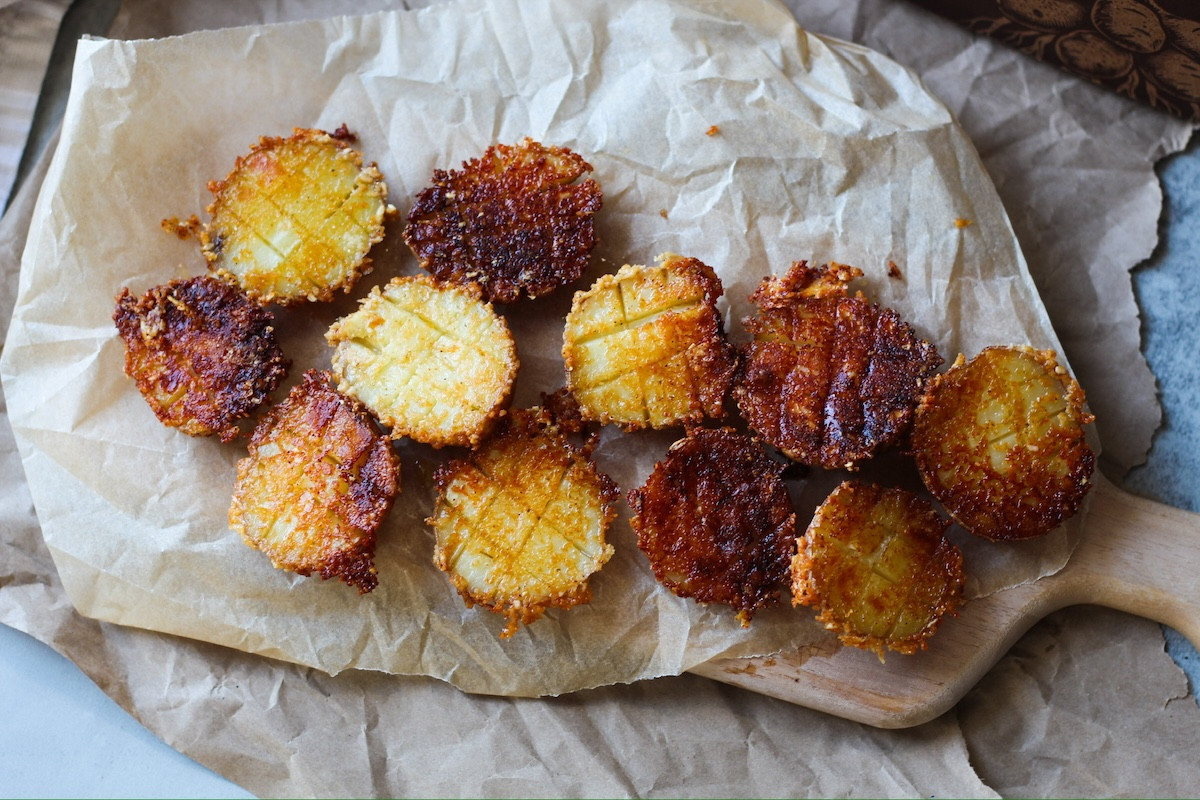
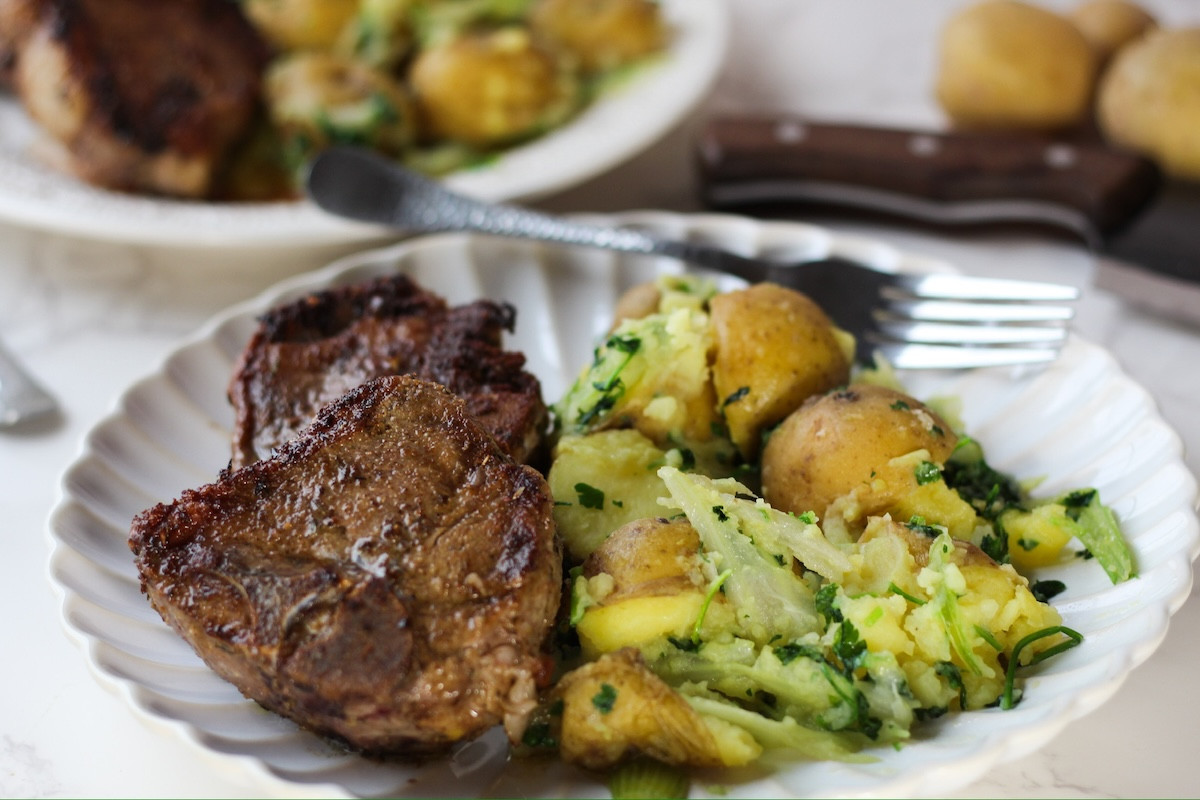
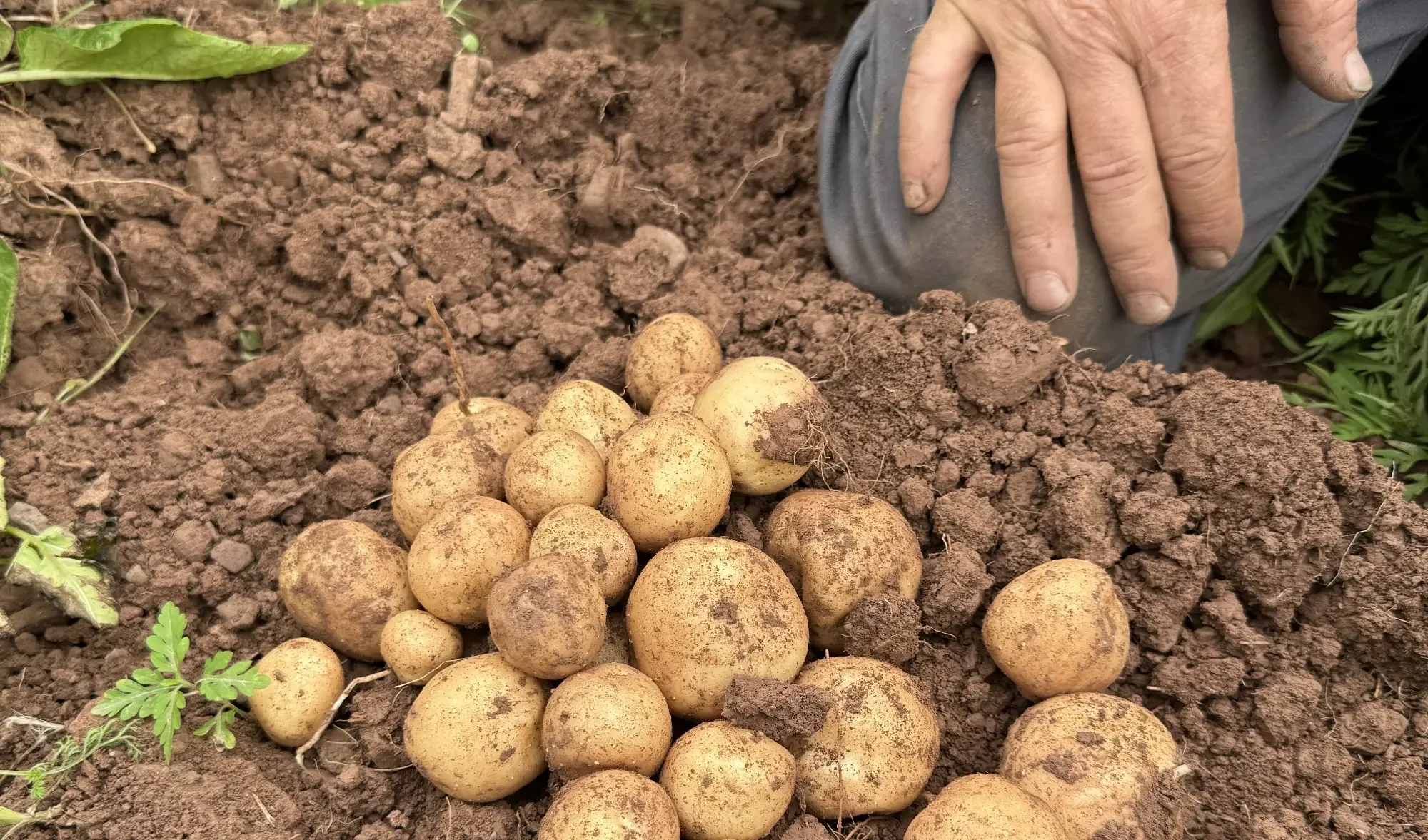
When soil is alive, flavor follows. These potatoes cook up creamy, crispy, and rich — the kind of taste that connects you back to the land itself.
FROM FIELD TO FORK
Simple ingredients. Real flavor. These are the kinds of recipes that make the whole kitchen smell like harvest season.
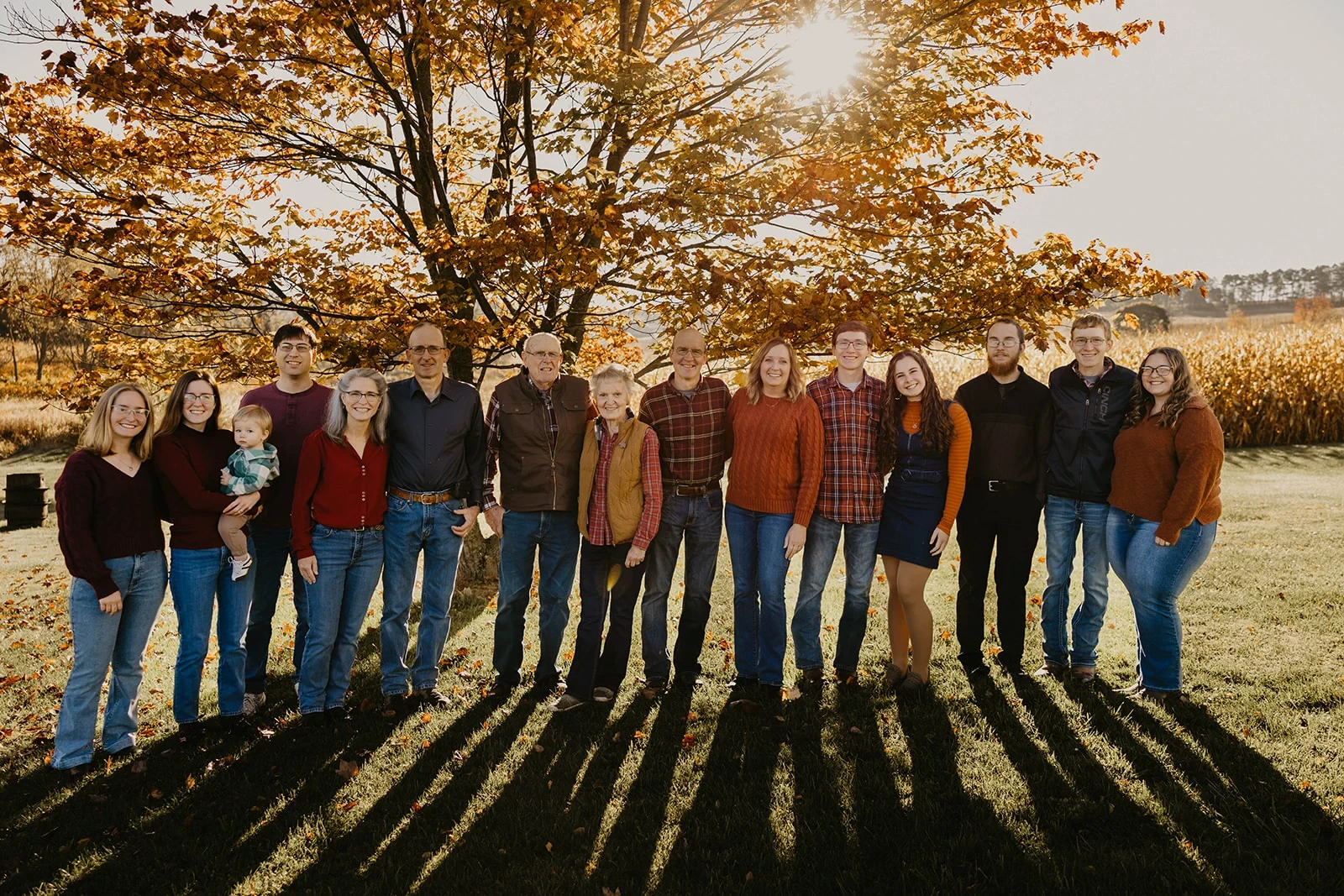
MEET THE FARM FAMILY
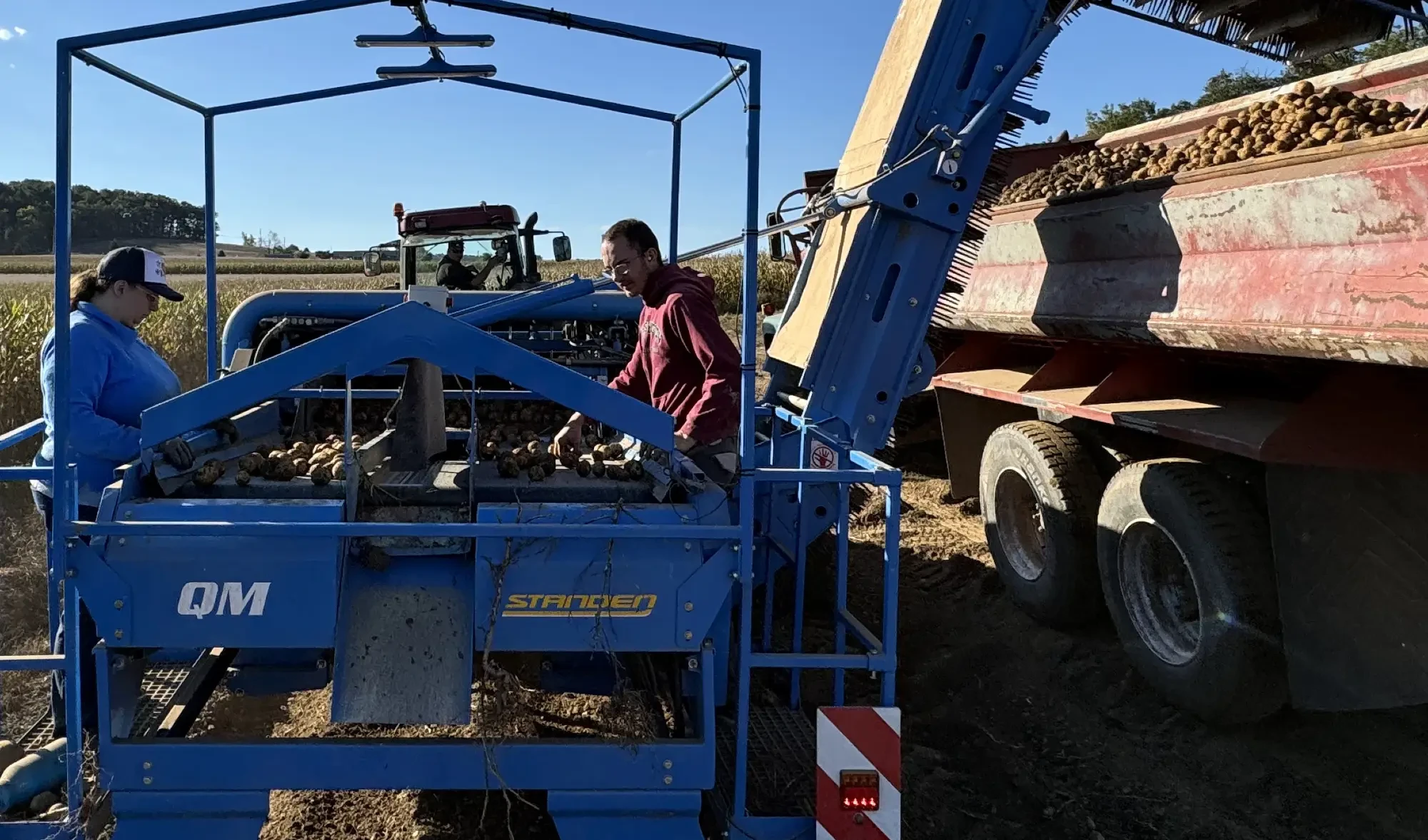
Behind every box is a real family and a real field. The Massers raise these regenerative potatoes with a simple goal: grow food the right way—so it tastes better, nourishes more, and supports the land for the next generation.
Soil-first practices that build biology and resilience season after season.
8th‑generation farm The Masser family has been growing potatoes for over 200 years — carrying forward a legacy rooted in stewardship and soil.
Freshness without chemical inhibitors—kept sprout-free with clove oil.